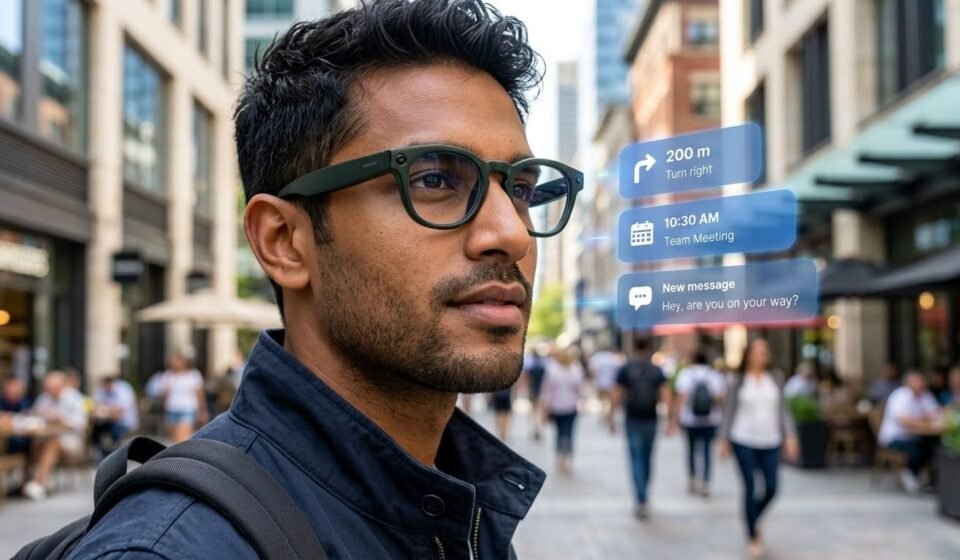
Samsung Smart Glasses Release Date: Features, Price and What to Expect

Samsung is expanding its Galaxy ecosystem beyond smartphones and smartwatches with a new generation of intelligent eyewear. The company’s Samsung smart glasses combine everyday eyewear with artificial intelligence, hands-free assistance, and smartphone connectivity, creating another way to access digital services without constantly looking at a screen.
The new glasses are part of Samsung’s broader partnership with Google and Qualcomm, bringing together wearable hardware, the Android XR platform, and Google’s Gemini AI. The goal is to make useful technology available through natural voice interactions while keeping the glasses comfortable enough for everyday use.
With growing interest in AI-powered wearables, many consumers want to know when Samsung smart glasses will be released, what features they will offer, and how much they could cost.
Samsung Smart Glasses Release Date
Samsung introduced its intelligent eyewear at Galaxy Unpacked on July 22, 2026. The company has indicated that the first collections of audio glasses are expected to launch in fall 2026.
However, an exact retail release date and a complete market-by-market availability schedule have not been confirmed in the available official information. Availability may vary by country, and buyers should check local announcements for updates.
The launch represents Samsung’s effort to make artificial intelligence more accessible outside traditional screens. Instead of reaching for a phone to perform every task, users could interact with a voice assistant while walking, travelling, or completing everyday activities.
Samsung’s plans also fit into the wider development of Android XR, Google’s platform for extended-reality headsets and intelligent eyewear.
Samsung Smart Glasses Features
The biggest attraction of Samsung’s smart glasses is their focus on practical AI assistance rather than simply adding another screen to everyday life.
The announced direction combines familiar eyewear styling with connected features designed to work alongside a compatible smartphone.
Potential everyday uses include:
– AI voice assistance: Ask questions and receive help using natural voice commands.
– Hands-free information: Access useful answers without repeatedly unlocking a phone.
– Camera-based experiences: Capture photos or use visual information for supported AI tasks, depending on the model and available features.
– Navigation assistance: Receive guidance while travelling or exploring unfamiliar places.
– Translation support: Get help understanding other languages where supported.
– Smartphone connectivity: Use the glasses as a companion to compatible mobile devices.
– Everyday audio: Listen to supported audio and interact with digital assistants through the eyewear.
Feature availability can differ between models and software versions. Not every capability should be assumed to be available on every Samsung smart glasses model.
Google Gemini AI Could Be a Major Advantage
Artificial intelligence is central to Samsung’s intelligent eyewear strategy. Through its collaboration with Google, the glasses are designed to bring Gemini-powered assistance into everyday situations.
For example, users could ask questions, request help with a task, or seek information about something they encounter while out and about. Camera-based interactions may also help the assistant understand visual context when supported by the device and software.
This approach could make AI assistance feel more immediate than opening an application and typing a question on a smartphone.
The experience will depend on factors such as microphone quality, internet connectivity, voice recognition, battery life, and how effectively the AI understands a user’s request.
As with other AI-powered devices, users should also pay attention to privacy settings and understand when cameras, microphones, and cloud-connected services are active.
Will Samsung Smart Glasses Have a Display?
One important detail is that Samsung’s initial audio-focused eyewear is different from a full augmented reality headset.
The first collections are designed around wearable audio and AI assistance rather than requiring a large display in front of the user’s eyes. This approach could help keep the glasses closer to the look and feel of conventional eyewear.
There has also been discussion about more advanced smart glasses featuring visual display technology. However, reports about future display-equipped versions should not be confused with the confirmed features of the initial audio glasses.
A display-equipped model could potentially offer additional visual information, but it would also bring different design, power-consumption, and comfort considerations. Buyers should wait for official specifications before assuming that a particular model will include an integrated display.
Samsung Smart Glasses Price: How Much Could They Cost?
Samsung has not confirmed a final retail price for every version of its intelligent eyewear in the available official announcements.
The eventual cost could depend on the design, hardware configuration, included features, and the eyewear brand associated with a particular collection.
Samsung has worked with eyewear partners Gentle Monster and Warby Parker to develop designs that combine technology with personal style. Different frames and product tiers could appeal to different audiences, although specific prices should be confirmed through official retail announcements.
For now, shoppers should be cautious about treating leaked prices or online estimates as final. Regional taxes, availability, and retail arrangements may also affect the price consumers pay.
Samsung Smart Glasses and Android XR
Android XR is Google’s platform for devices such as extended-reality headsets and intelligent glasses. Samsung’s collaboration with Google places its eyewear within a broader ecosystem of AI-powered devices.
The platform is intended to support connected experiences, compatible applications, and AI interactions. Rather than functioning as an isolated gadget, Samsung’s glasses are designed to complement a smartphone and other connected devices.
This could be particularly useful for people who already use Galaxy phones and other Samsung products. A connected ecosystem may make it easier to move between devices, although the exact features will depend on compatibility and software support.
Qualcomm is also involved in the broader technology collaboration, helping provide the hardware foundation for this category of wearable devices.
Samsung Smart Glasses vs. Meta Ray-Ban Smart Glasses
The smart glasses market already includes products that combine traditional eyewear with cameras, speakers, and AI assistance. Meta’s Ray-Ban smart glasses have helped establish consumer interest in this type of wearable technology.
Samsung’s entry brings another major electronics company into the competition.
Both approaches focus on adding useful digital functions to glasses without requiring users to wear a bulky headset. The differences will come down to design, AI capabilities, smartphone integration, camera performance, comfort, battery life, and price.
Samsung could appeal to Galaxy users who want their wearable accessories to work closely with their existing devices. Meta’s established eyewear offering provides another option for consumers interested in hands-free capture and AI-assisted experiences.
The best choice will depend on the features available in each final product, its compatibility with a user’s phone, and how naturally it fits into everyday routines.
Battery Life, Comfort and Privacy
Smart glasses need to balance technology with the practical requirements of ordinary eyewear.
Battery life is especially important because a compact frame leaves limited room for a battery, processors, microphones, speakers, and cameras. Frequent AI interactions and wireless connections can also affect how long the glasses last between charges.
Comfort is equally important. Even powerful features will have limited appeal if the glasses feel heavy, fit poorly, or become uncomfortable during extended use.
Privacy deserves attention as well. Camera-equipped glasses can raise questions about recording in public spaces, consent, and how captured information is stored or processed. Clear recording indicators, understandable privacy controls, and transparent data policies will be important considerations for buyers.
Samsung’s success in this category will depend not only on its AI capabilities but also on how well it addresses these everyday concerns.
Should You Wait for Samsung Smart Glasses?
Consumers interested in AI-powered eyewear have good reason to follow Samsung’s launch plans, particularly if they already use Galaxy devices.
The glasses could provide convenient access to voice assistance, connected audio, and other supported AI features without requiring users to hold a phone in their hands.
However, buyers should consider the confirmed specifications, regional availability, battery performance, and final retail price before making a purchasing decision. Those who specifically want augmented reality visuals should also verify whether the model they are considering actually includes a display.
Waiting for complete product specifications and real-world reviews may help consumers understand how the glasses perform beyond the initial announcements.
Final Thoughts
Samsung smart glasses represent an important step in the company’s effort to bring AI beyond smartphones and into everyday accessories. The combination of intelligent assistance, connected audio, familiar eyewear styling, and the Android XR ecosystem could make the technology useful for a range of daily activities.
Samsung introduced its intelligent eyewear in July 2026, with the first audio-glasses collections expected in fall 2026. An exact retail release date and final pricing should be confirmed through official regional announcements.
As the smart glasses market develops, Samsung’s approach will be judged by more than its AI features. Comfort, battery life, privacy, compatibility, and value will all help determine whether intelligent eyewear becomes a regular part of people’s daily lives.